
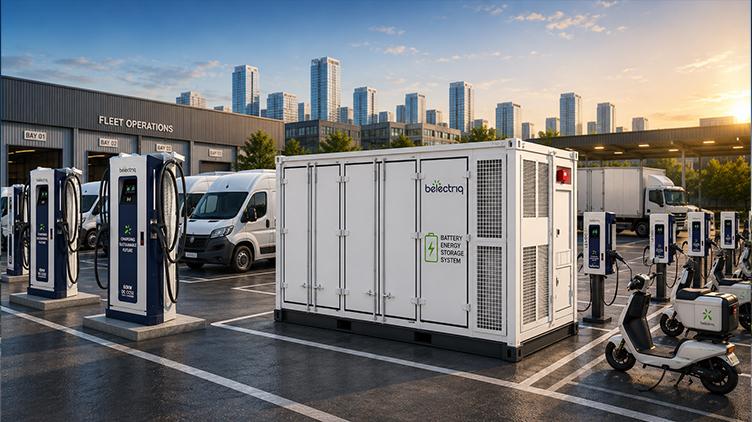
As commercial fleets transition to electric vehicles, charging infrastructure is becoming a critical part of operations. One technology rapidly gaining attention is the Battery Energy Storage System (BESS). But how does it work, and why is it important for fleet charging depots?
Let’s answer the most common questions.
Q1: Why Do Commercial EV Fleet Charging Depots Need BESS?
Commercial fleets often charge multiple electric trucks, vans, or buses at the same time. This creates significant power demand, especially during overnight charging periods when vehicles need to be ready for the next day’s operations.
Without BESS, these power spikes can result in:
- High demand charges from utilities
- Increased electricity costs
- Expensive grid infrastructure upgrades
- Limited charging capacity for future fleet growth
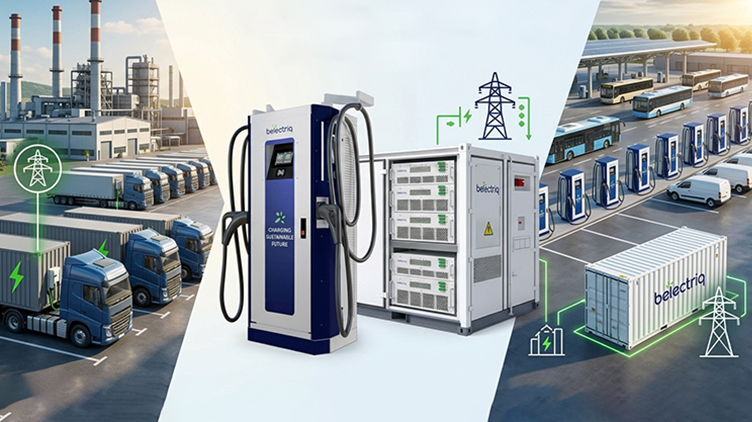
A Battery Energy Storage System stores energy during low-demand periods and supplies it when charging demand is high, helping depots operate more efficiently and cost-effectively.
Q2: What Is a Real-World Example of BESS in Fleet Charging?
A leading example is Alfredsson Transport in Norrköping, Sweden, which operates one of Europe’s advanced electric truck charging depots.
Key highlights include:
- 1.2 MW BESS power capacity
- 2.2 MWh energy storage capacity
- 400 kWp integrated solar generation
- Up to 728 kW charging power delivered to a single truck
The facility successfully demonstrated simultaneous charging of multiple heavy-duty electric trucks, proving how BESS can support high-power fleet operations.
Q3: How Does BESS Help Fleet Operators Save Money?
1. Avoiding Costly Grid Upgrades
Expanding charging capacity often requires utility infrastructure upgrades that can be expensive and time-consuming.
BESS allows operators to maximize existing grid connections by supplementing power during peak charging periods.
2. Reducing Demand Charges
Utility providers often charge based on the highest level of power consumed during a billing cycle.
BESS reduces these peaks by supplying stored energy when charging demand is highest, lowering electricity bills.
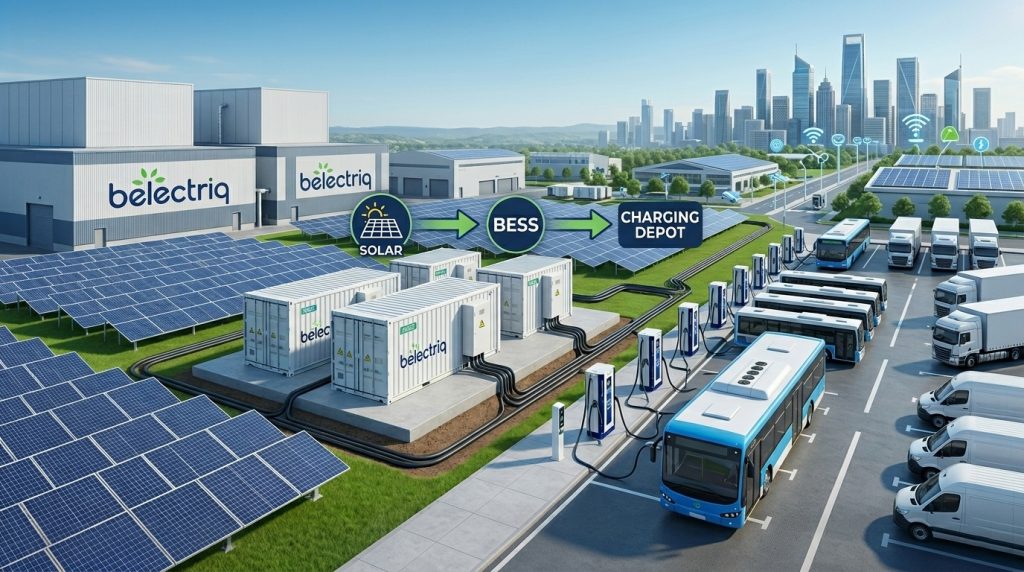
3. Maximizing Renewable Energy Usage Fleet depots equipped with rooftop solar systems can store excess solar energy during the day and use it later for vehicle charging, reducing dependence on grid electricity.
Q4: Can BESS Improve Charging Reliability?
Yes.
A Battery Energy Storage System provides backup power during grid disturbances and helps maintain charging operations during peak demand periods.
Benefits include:
- Improved charging availability
- Reduced downtime
- Better energy security
- Enhanced operational continuity
This is particularly important for fleets that operate on strict schedules.
Q5: What Are Mobile BESS Solutions?
Mobile BESS systems combine battery storage and EV charging capabilities in a transportable unit.
These systems are ideal for:
- Construction fleets
- Temporary charging stations
- Event-based charging infrastructure
- Emergency response vehicles
- Pilot EV fleet projects
Mobile BESS solutions can operate with or without a grid connection, providing flexible charging wherever it is needed.
Q6: How Does Energy Management Software Work with BESS?
While BESS provides energy storage, Energy Management Systems (EMS) optimize how that energy is used.
Modern EMS platforms can:
- Schedule charging during low-tariff periods
- Balance loads across multiple chargers
- Integrate renewable energy sources
- Monitor depot energy consumption in real time
- Support Vehicle-to-Grid (V2G) operations
Together, BESS and EMS create a smarter and more efficient charging ecosystem.
Q7: What Is Vehicle-to-Grid (V2G) Technology?
Vehicle-to-Grid (V2G) technology enables electric vehicles to send stored energy back to the grid when needed.
For fleet operators, this means:
- Generating additional revenue
- Supporting grid stability
- Reducing overall energy costs
- Maximizing utilization of parked vehicles
Instead of remaining idle, EV batteries become valuable energy assets.
Q8: Is BESS Only Suitable for Large Fleets?
No.
BESS solutions are available for fleets of all sizes.
Whether operating:
- 5 delivery vans
- 20 commercial vehicles
- 100+ electric trucks
Fleet operators can benefit from:
- Lower electricity costs
- Reduced peak demand charges
- Better solar utilization
- Future-ready charging infrastructure
Scalable BESS solutions make adoption practical for both small and large organizations.
Q9: Does Daily Cycling Reduce Battery Life?
Battery degradation is a natural process, but modern BESS systems are designed specifically for daily charge and discharge cycles.
Advanced battery management systems help optimize performance by:
- Maintaining ideal charging conditions
- Preventing overcharging
- Managing temperature
- Extending battery lifespan
Most commercial BESS solutions are backed by long-term warranties and are engineered for years of reliable operation.
Q10: What Does the Future of EV Fleet Charging Depots Look Like?
Future commercial charging depots will function as intelligent energy hubs.
Key features will include:
- Rooftop solar generation
- Battery Energy Storage Systems
- Smart energy management software
- Vehicle-to-Grid integration
- AI-driven energy optimization
- Fast DC charging infrastructure
These technologies will work together to reduce operating costs while improving charging efficiency and sustainability.
Q11: Should Fleet Operators Invest in BESS?
If your fleet is facing any of the following challenges:
- Rising electricity costs
- High demand charges
- Grid capacity limitations
- Planned fleet electrification
- Solar energy integration requirements
Then investing in a Battery Energy Storage System should be seriously considered.
BESS offers measurable benefits including:
- Lower energy expenses
- Reduced infrastructure costs
- Improved charging reliability
- Enhanced renewable energy utilization
- Potential revenue from grid services
As EV adoption accelerates, BESS is becoming a key component of cost-effective and scalable fleet charging infrastructure.
Conclusion
Battery Energy Storage Systems are transforming how commercial EV fleet depots operate. By reducing energy costs, minimizing grid dependency, supporting renewable energy integration, and enabling future technologies such as V2G, BESS provides a strong foundation for successful fleet electrification.
For fleet operators looking to build efficient, scalable, and future-ready charging infrastructure, BESS is no longer just an option—it is becoming a strategic necessity.

Leave a Reply