
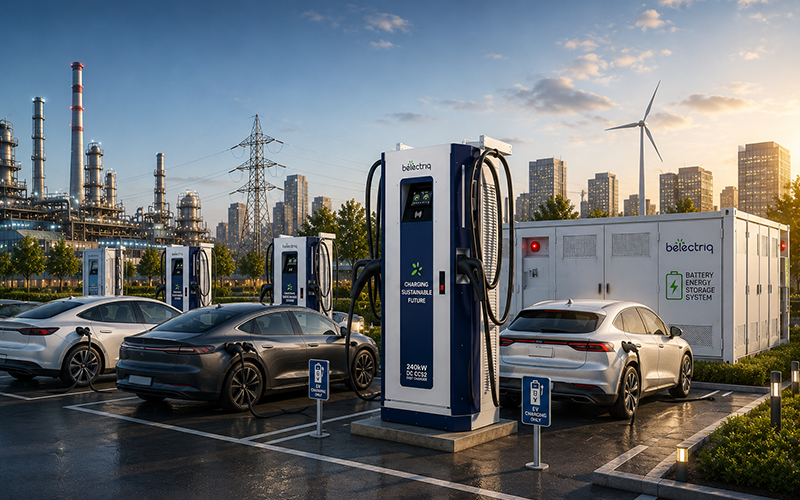
As electric vehicles (EVs) become increasingly popular, the demand for reliable and efficient EV charging infrastructure continues to grow. However, operating EV charging stations is not as simple as connecting chargers to the power grid. High electricity demand, grid limitations, rising energy costs, and the need for uninterrupted charging services have created new challenges for charging station operators.
This is where Battery Energy Storage Systems (BESS) play a vital role. By storing electricity and supplying it when needed, battery energy storage helps EV charging stations operate more efficiently, economically, and sustainably.
In this article, we address the most frequently asked questions about why EV charging stations need Battery Energy Storage Systems (BESS) and explore the benefits they offer to both operators and EV drivers.
What Is a Battery Energy Storage System (BESS)?
A Battery Energy Storage System (BESS) is a technology that stores electrical energy in rechargeable batteries and releases it when required. It acts as an energy reserve, helping manage electricity demand, stabilize power supply, and improve overall energy efficiency.
In EV charging applications, BESS works alongside the utility grid and renewable energy sources such as solar power to provide a reliable source of energy for charging electric vehicles.
Why Do EV Charging Stations Need Battery Energy Storage?
EV charging stations need battery energy storage to manage high power demand, reduce operating costs, improve charging reliability, and support fast charging without putting excessive strain on the electrical grid.
Battery storage helps charging stations:
- Handle peak charging demand
- Reduce electricity costs
- Support renewable energy integration
- Improve grid stability
- Provide backup power during outages
- Enable faster charger deployment
As EV adoption grows, battery energy storage becomes an essential component of modern charging infrastructure.
How Does Battery Energy Storage Support Fast EV Charging?
Fast DC chargers require a large amount of electricity in a short period. In some locations, the local grid may not have sufficient capacity to meet this demand.
Battery energy storage helps by:
- Storing energy during low-demand periods
- Delivering stored energy during charging sessions
- Reducing the burden on the utility grid
- Supporting high-power charging without major infrastructure upgrades
This allows charging stations to offer faster charging speeds even in areas with limited grid capacity.
Can Battery Energy Storage Reduce Electricity Costs?
Yes. One of the biggest advantages of battery energy storage is its ability to lower electricity costs.
Charging station operators can:
- Store energy when electricity prices are lower
- Use stored energy during expensive peak-rate periods
- Reduce peak demand charges from utilities
- Optimize energy consumption throughout the day
Over time, these savings can significantly improve the profitability of EV charging stations.
What Are Peak Demand Charges and Why Do They Matter?
Many utility companies charge businesses based on their highest level of electricity usage during a billing period. These fees are known as demand charges.
EV fast chargers can create sudden spikes in electricity consumption, resulting in higher utility bills.
Battery energy storage helps reduce these peaks by supplying stored energy during periods of high demand, lowering overall peak consumption and reducing demand-related costs.
How Does Battery Energy Storage Improve Grid Stability?
Large-scale EV charging can place significant pressure on local power networks, especially during busy charging periods.
Battery energy storage improves grid stability by:
- Smoothing fluctuations in electricity demand
- Reducing sudden power spikes
- Minimizing stress on transformers and distribution systems
- Supporting balanced energy consumption
This creates a more reliable and resilient electrical infrastructure for both charging stations and surrounding communities.
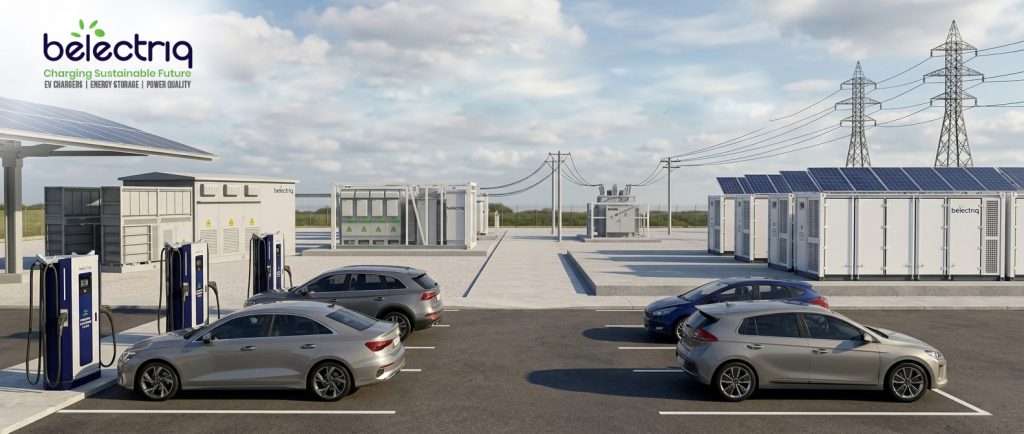
Why Is Battery Energy Storage Important for Renewable Energy Integration?
Many EV charging stations are incorporating solar energy systems to reduce carbon emissions and operating costs.
However, solar power generation varies depending on weather conditions and time of day.
Battery energy storage allows charging stations to:
- Store excess solar energy during daylight hours
- Use stored solar power when sunlight is unavailable
- Increase renewable energy utilization
- Reduce dependence on conventional electricity sources
This helps create a cleaner and more sustainable EV charging ecosystem.
Can EV Charging Stations Operate During Power Outages?
With battery energy storage, charging stations can maintain limited operations during power outages or grid disruptions.
Stored energy can provide backup power for:
- Essential charging services
- Communication systems
- Monitoring equipment
- Station management systems
This improves service reliability and helps minimize downtime.
How Does Battery Energy Storage Help in Remote Locations?
Installing high-capacity grid connections in remote or underserved areas can be expensive and time-consuming.
Battery energy storage makes EV charging deployment more practical by:
- Reducing reliance on large grid connections
- Supporting renewable energy-based charging solutions
- Lowering infrastructure development costs
- Enabling charging access in locations with weak grid networks
This helps expand EV charging availability to more regions.
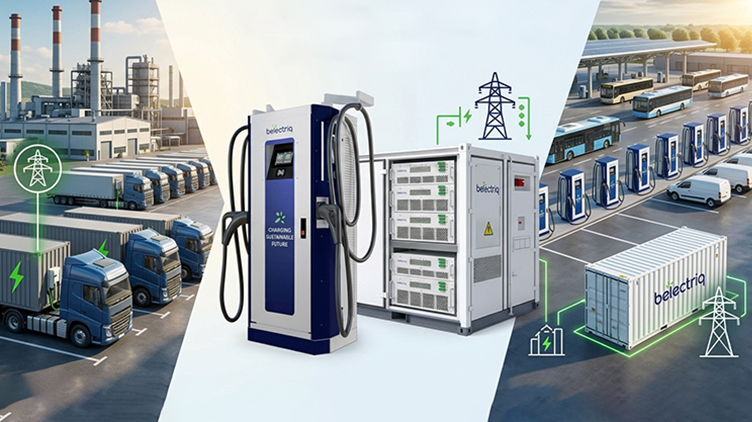
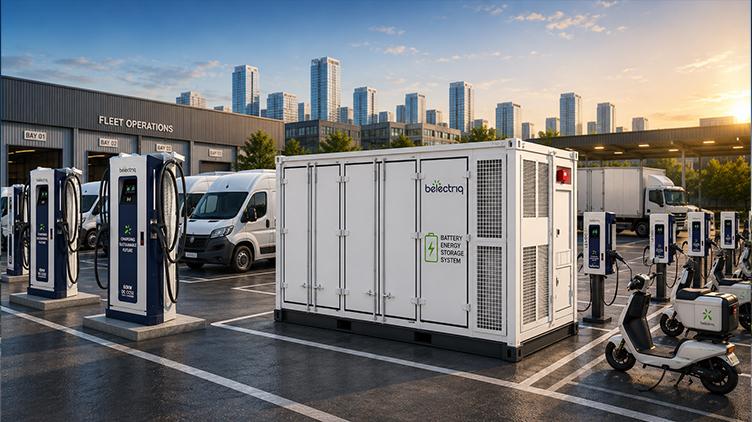
Is Battery Energy Storage Beneficial for Fleet Charging?
Yes. Fleet operators often charge multiple vehicles simultaneously, creating substantial power demand.
Battery energy storage helps fleet charging stations:
- Manage high charging loads
- Reduce peak electricity costs
- Improve charging reliability
- Support operational efficiency
This is especially valuable for electric buses, delivery vehicles, logistics fleets, and commercial transportation services.
What Types of EV Charging Stations Benefit Most from Battery Storage?
Battery energy storage can benefit nearly all types of EV charging stations, including:
Public Charging Stations
Helps manage varying charging demand and reduce operating expenses.
Highway Fast-Charging Hubs
Supports high-power charging for multiple vehicles simultaneously.
Commercial Buildings
Improves energy efficiency and reduces electricity costs.
Fleet Depots
Ensures reliable charging for large numbers of vehicles.
Residential Communities
Supports shared charging infrastructure and load management.
Does Battery Energy Storage Improve the Return on Investment (ROI) of Charging Stations?
In many cases, yes.
Battery energy storage can improve ROI by:
- Lowering electricity expenses
- Reducing demand charges
- Delaying costly grid upgrades
- Increasing charger utilization
- Enhancing operational reliability
These benefits can contribute to faster payback periods and long-term financial performance.
What Is the Future of EV Charging Stations with Battery Energy Storage?
The future of EV charging infrastructure is increasingly focused on smart energy management.
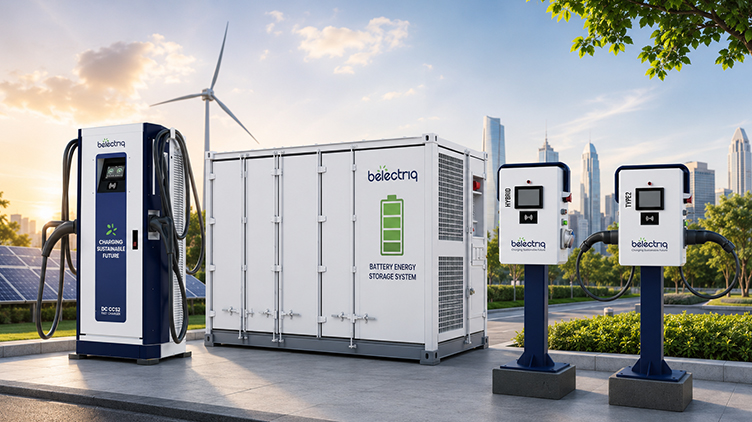
Modern charging stations are evolving into integrated energy hubs that combine:
- EV chargers
- Battery energy storage systems
- Solar power generation
- Energy management software
- Grid support capabilities
As battery technology continues to improve and costs decrease, battery storage is expected to become a standard feature of advanced EV charging networks worldwide.
Conclusion
Battery Energy Storage Systems are transforming the way EV charging stations operate. They help address critical challenges such as grid limitations, high electricity costs, peak demand charges, renewable energy integration, and charging reliability.
By storing energy when it is available and delivering it when it is needed most, battery energy storage enables smarter, faster, and more efficient EV charging solutions.
As electric mobility continues to expand, integrating battery energy storage with EV charging stations will be essential for building a resilient, cost-effective, and sustainable charging infrastructure capable of meeting future transportation demands.

Leave a Reply