
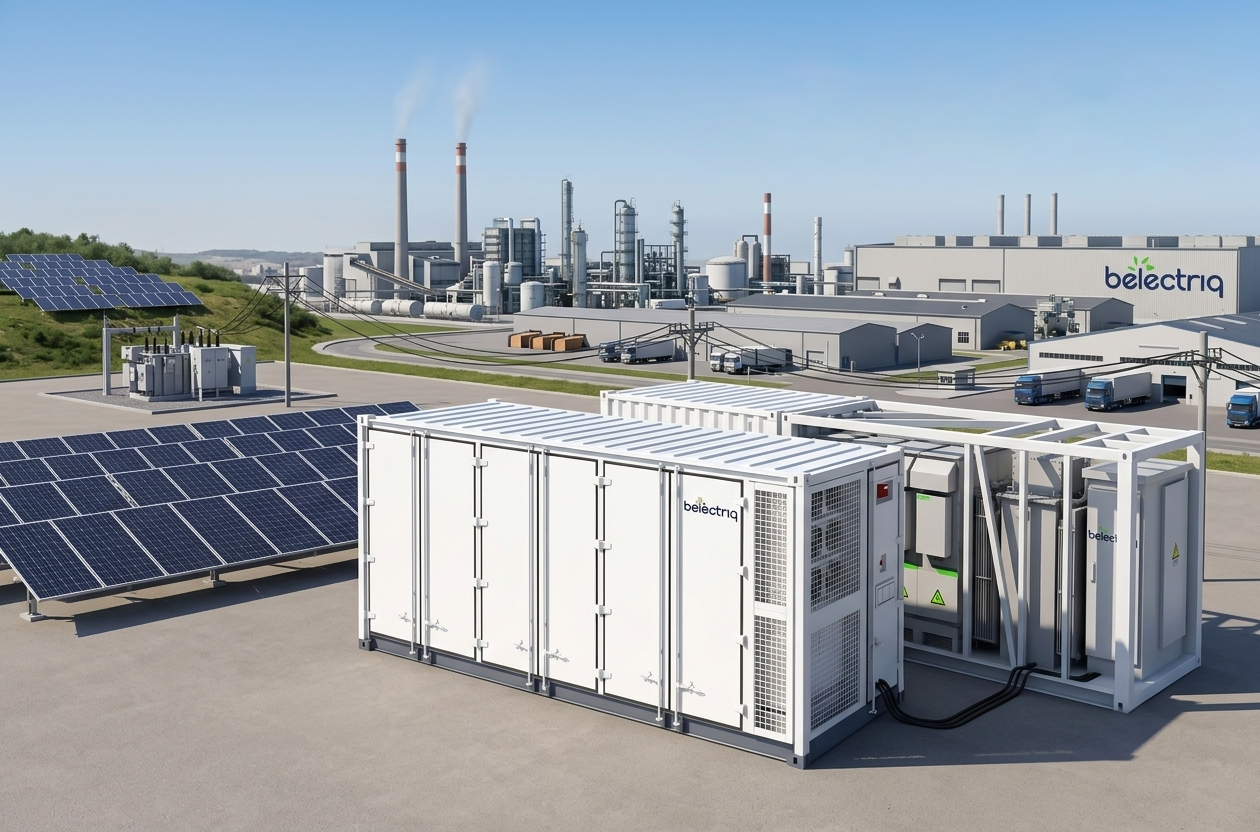
Industrial facilities are constantly looking for ways to reduce energy costs, improve operational efficiency, and achieve sustainability goals. With rising electricity prices and increasing energy demands, industries need smarter energy management solutions that can optimize power consumption while maintaining reliable operations.
One of the most effective technologies helping industries achieve these objectives is the Battery Energy Storage System (BESS). By storing excess energy and supplying it when needed, BESS enables facilities to improve energy efficiency, reduce electricity costs, and enhance overall power reliability.
In this article, we explore how Battery Energy Storage Systems improve energy efficiency in industrial facilities and why they are becoming an essential component of modern energy management strategies.
What is a Battery Energy Storage System (BESS)?
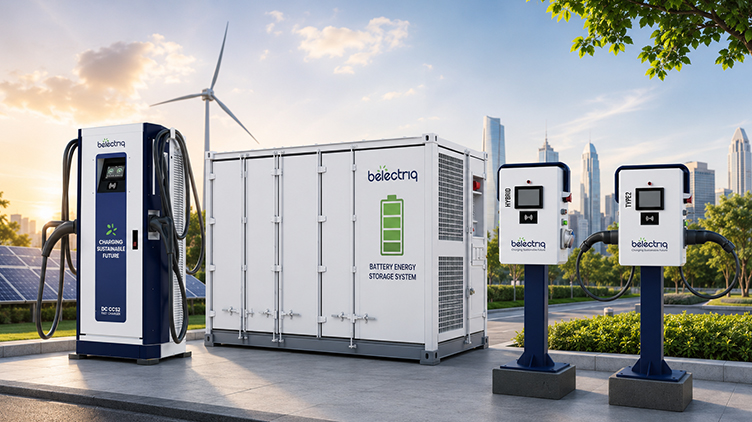
A Battery Energy Storage System (BESS) is a technology that stores electrical energy in batteries for later use. The system can charge from the grid, renewable energy sources such as solar power, or other generation systems and discharge energy when demand increases.
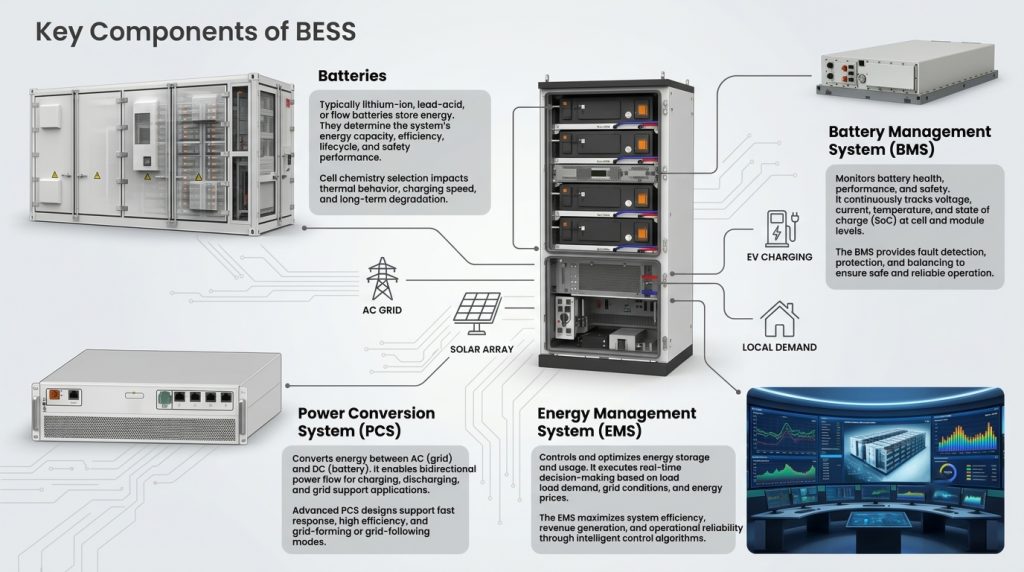
A typical BESS consists of:
- Battery modules
- Battery Management System (BMS)
- Power Conversion System (PCS)
- Energy Management System (EMS)
- Monitoring and safety systems
Together, these components help industries manage energy more effectively and improve operational performance.
Why Energy Efficiency Matters in Industrial Facilities
Energy is one of the largest operational expenses for industrial facilities. Inefficient energy usage can lead to:
- Higher electricity bills
- Increased peak demand charges
- Equipment stress and downtime
- Reduced productivity
- Higher carbon emissions
Improving energy efficiency not only lowers operating costs but also enhances competitiveness and supports sustainability initiatives.
Key Ways BESS Improves Energy Efficiency
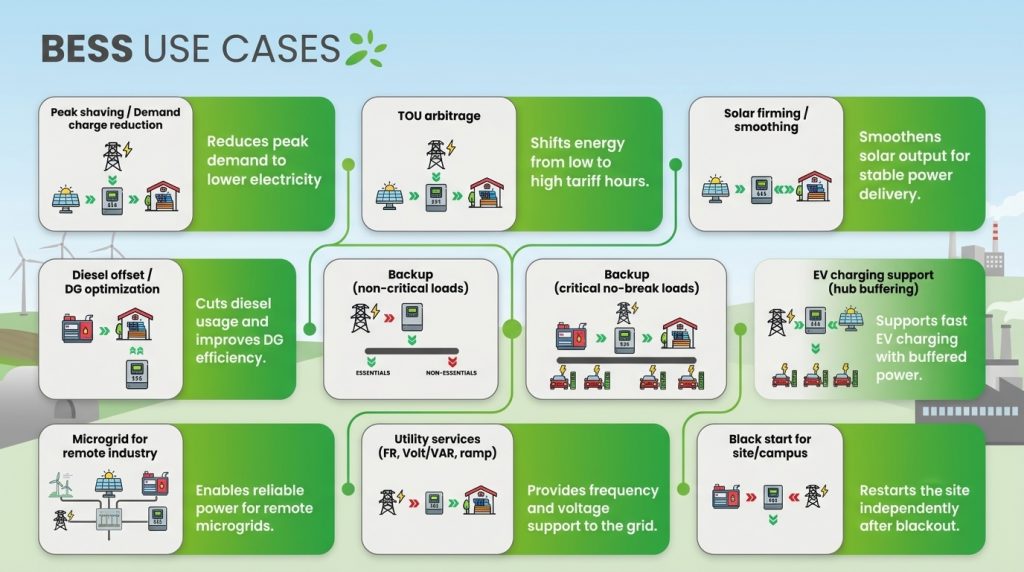
1. Peak Demand Management
Many utilities charge industries based on their peak electricity demand. Sudden spikes in energy consumption can significantly increase monthly electricity costs.
BESS helps by storing energy during periods of low demand and releasing it during peak demand periods. This process, known as peak shaving, reduces the facility’s maximum power draw from the grid.
Benefits:
- Lower demand charges
- Reduced strain on electrical infrastructure
- Improved energy utilization
2. Load Shifting for Better Energy Utilization
Electricity prices often vary throughout the day. During peak hours, energy costs can be substantially higher.
BESS enables industries to charge batteries during off-peak hours when electricity rates are lower and discharge stored energy during expensive peak periods.
Benefits:
- Reduced energy costs
- Improved operational efficiency
- Better utilization of available energy resources
3. Maximizing Renewable Energy Usage
Many industrial facilities are investing in solar power systems to reduce energy costs and carbon emissions. However, solar generation is intermittent and may not always align with energy consumption patterns.
BESS stores excess solar energy generated during the day and makes it available when production decreases or energy demand increases.
Benefits:
- Increased self-consumption of renewable energy
- Reduced reliance on grid electricity
- Improved return on solar investments
4. Improved Power Quality
Industrial equipment often requires stable and reliable power. Voltage fluctuations and sudden load changes can affect equipment performance and energy efficiency.
Advanced BESS solutions can support power quality by providing rapid response to voltage variations and load changes.
Benefits:
- Stable power supply
- Improved equipment performance
- Reduced energy losses
5. Enhanced Equipment Efficiency
Frequent voltage disturbances and power interruptions can cause equipment to operate inefficiently, resulting in increased energy consumption.
BESS helps maintain a stable energy supply, allowing motors, drives, compressors, and production equipment to operate under optimal conditions.
Benefits:
- Improved equipment lifespan
- Reduced maintenance requirements
- Higher operational efficiency
6. Backup Power and Business Continuity
Power outages can lead to production losses, downtime, and wasted energy. BESS provides instant backup power during grid interruptions, ensuring critical operations continue without disruption.
Benefits:
- Reduced downtime
- Improved productivity
- Enhanced operational reliability
7. Energy Optimization Through Smart Controls
Modern Battery Energy Storage Systems are integrated with Energy Management Systems (EMS) that continuously monitor energy usage patterns and optimize battery operation.
These intelligent systems help facilities:
- Monitor energy consumption
- Predict demand patterns
- Optimize charging and discharging cycles
- Improve overall energy efficiency
Benefits:
- Data-driven energy management
- Greater operational control
- Continuous energy savings
Industries That Benefit from BESS
Battery Energy Storage Systems provide significant benefits across various industrial sectors, including:
- Manufacturing plants
- Automotive facilities
- Food and beverage industries
- Pharmaceutical plants
- Data centers
- Textile industries
- Metal processing facilities
- Chemical plants
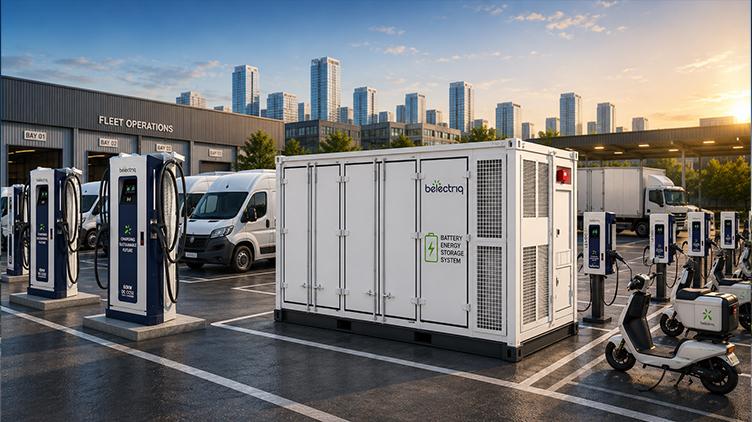
- Warehouses and logistics centers
Any facility with high energy consumption can benefit from improved energy efficiency through BESS implementation.
Sustainability Benefits of BESS
Beyond cost savings, BESS plays a vital role in helping industries achieve sustainability targets.
Key environmental benefits include:
- Reduced carbon footprint
- Increased renewable energy adoption
- Lower dependence on fossil fuel-based power generation
- Improved energy resource utilization
As industries move toward cleaner and more sustainable operations, BESS becomes a critical component of long-term energy strategies.
Conclusion
Battery Energy Storage Systems are transforming the way industrial facilities manage energy. By enabling peak shaving, load shifting, renewable energy integration, power quality improvement, and intelligent energy management, BESS significantly enhances energy efficiency while reducing operational costs.
As energy prices continue to rise and sustainability requirements become more important, investing in a Battery Energy Storage System can help industries achieve greater reliability, lower energy expenses, and long-term operational excellence.
Organizations that adopt BESS today are better positioned to build efficient, resilient, and future-ready industrial operations.

Leave a Reply