
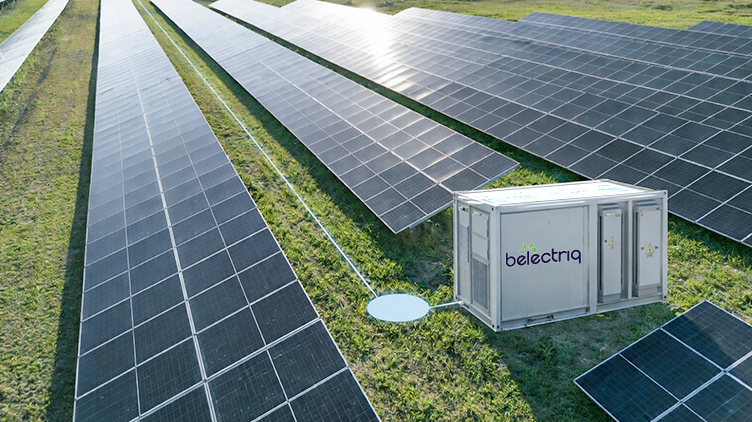
Why are batteries becoming popular additions to commercial solar installations?
Solar panels produce the most energy from late morning to early afternoon. Most businesses, however, use peak power in the evening when solar production falls. Batteries store excess midday solar and supply it during peak hours, helping reduce costly grid purchases.
What are demand charges, and why do they matter?
Demand charges are fees based on your highest 15-minute power usage during the month. Even if that spike only happens once, you pay demand charges for that peak level all month. These charges often make up 30-50% of your commercial electricity bill.
How do batteries help with demand charges?
Batteries discharge stored energy when your peak demand rises, “shaving” spikes and lowering your demand charge. This can significantly reduce your overall electricity costs.
What savings can I expect from adding solar + storage to my business?
For a typical mid-sized commercial facility with a ₹12.5 lakh monthly bill, about ₹6.7 lakh from energy usage and ₹5.8 lakh from demand charges, adding 250 kW solar and a 500 kWh battery can save roughly ₹5 lakh each month — ₹2.9 lakh from solar energy offset and ₹2.1 lakh from peak demand reduction.
How long is the payback period?
With current federal incentives like the 30% Investment Tax Credit (ITC), payback can be around 6 years. Over 25 years, net savings can exceed ₹10.8 crore, depending on your usage and system size.
How do I size my solar and battery system?
- Review 12 months of electricity bills to understand monthly usage and peak demand.
- Aim to offset 50-80% of annual electricity consumption with solar.
- Battery capacity typically covers 2-4 hours of your peak power demand, depending on whether you’re targeting demand reduction or backup power.
Will my solar + storage system provide power during a grid outage?
Standard solar systems shut down during grid outages to protect utility workers. Adding batteries with islanding capability and a transfer switch allows your system to operate independently during outages, powering critical loads like servers and refrigeration.
How long do batteries last?
Commercial batteries last 10-15 years with daily use, 15-20 years with moderate cycling. They gradually lose capacity over time but continue operating at reduced storage levels.
What maintenance do solar + storage systems require?
Solar panels need annual inspections and occasional cleaning; inverters may require replacement every 10-15 years. Battery systems have minimal maintenance, mainly software updates and performance monitoring.
What incentives and financing options are available?
- Federal ITC provides a 30% tax credit through 2032.
- Accelerated depreciation (MACRS) allows businesses to depreciate 85% of system costs over five years.
- State and local incentives vary and may include rebates and tax exemptions.
- Financing options range from cash purchase and loans to leases and power purchase agreements.
How do I choose the right installer?
Look for providers with extensive commercial installation experience, engineers on staff, local presence, detailed proposals including energy modeling and specific equipment specs, and strong customer references. Avoid installers who pressure you or provide vague information.
Is now a good time to invest in solar + storage?
Yes. Prices for solar panels and batteries have dropped significantly, electricity rates continue rising, federal incentives are strong through 2032, and grid outages are increasing due to aging infrastructure and extreme weather.
What are the typical steps to getting a solar + storage system installed?
- Collect utility bills and identify critical loads.
- Request and compare proposals from qualified installers.
- Secure financing and finalize contracts.
- Complete permitting, installation, and utility interconnection.
- Commission the system and receive training.

Leave a Reply