
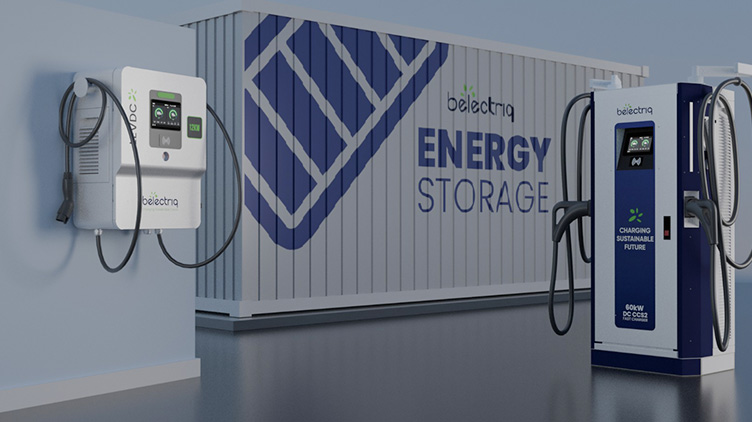
Q1: First things first—what exactly is BESS?
BESS stands for Battery Energy Storage System. Think of it as a giant, intelligent rechargeable battery that sits between the electrical grid and EV chargers. It stores energy when demand is low and releases it when demand is high. Simple in concept, but revolutionary in what it makes possible.
Q2: Why can’t we just plug ultra-fast chargers directly into the grid?
Great question. Ultra-fast chargers—the ones that can add 300km of range in 15 minutes—need massive power spikes. We’re talking 350kW or more in a single burst.
Here’s the problem: Most electrical grids weren’t designed for this. Upgrading grid connections is:
Expensive – We’re talking hundreds of thousands of dollars
Slow – Can take years for approvals and construction
Sometimes impossible – Especially in dense urban areas or remote locations
It’s like trying to drink from a fire hose through a garden pipe. The grid just can’t deliver that much power that fast without major upgrades.
Q3: So, how does BESS solve this problem?
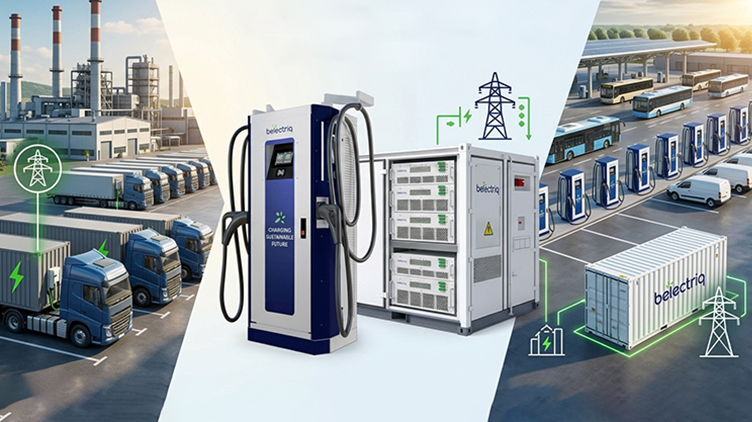
BESS is a buffer. A smart buffer.
Think of a water tank. The grid slowly fills this tank at a constant, manageable rate. Then, when an EV pulls up and demands a huge surge of power, the tank drains rapidly to satisfy this demand.
The grid is not burdened because it is still doing its slow, steady fill. The motorist gets their super-fast charge. Everybody is happy.
In February 2026, Singapore showed this off to perfection at Temasek Polytechnic. An ultra-fast 480kW charger was erected without costly grid upgrades—since BESS provided the additional buffering required during high-power charging.
Q4: Does this mean I can install ultra-fast chargers anywhere now
Almost anywhere, yes. That’s the point.
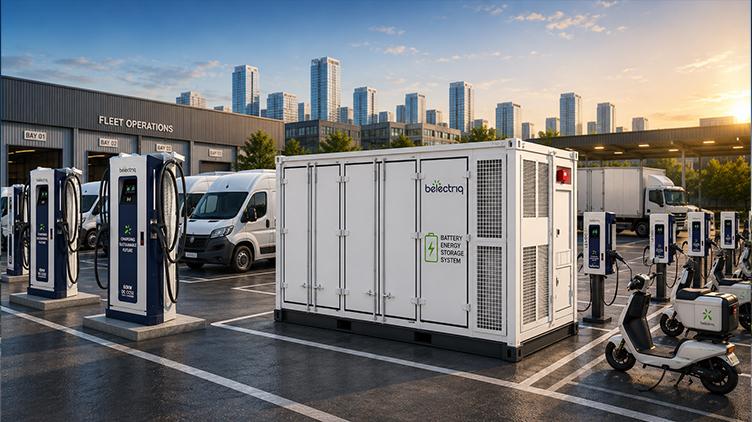
With BESS decoupling charging speed from grid connection strength, you no longer have to worry about your site’s existing electrical infrastructure. A site with a low-strength grid connection can still support 350kW charging. The BESS system simply charges slowly from this connection all day and builds up power reserves for when they are needed.
This makes possible:
Highway rest stops located far from substations
City charging stations in older buildings
Tourist sites in remote areas
Temporary event charging stations.
Q5: Isn’t adding a battery just making things more expensive?
This is the paradoxical part. Yes, you’re adding a battery. But you’re sidestepping something much, much more costly: grid upgrades.
Let’s break it down:
| Option | What It Involves | Typical Cost | Timeline |
| Grid Upgrade | New transformers, cabling, substation work | $500,000 – $2M+ | 1-3 years |
| BESS Solution | Battery system + existing grid connection | $200,000 – $500,000 | 3-6 months |
Q6: Revenue opportunities? What do you mean?
This is where BESS truly outsmarts the competition. This battery doesn’t just collect dust when nobody’s charging. Advanced systems can:
Sell excess power back to the grid during peak hours
Reduce peak demand to sidestep massive utility bills
Store cheap power from overnight hours for use during peak hours
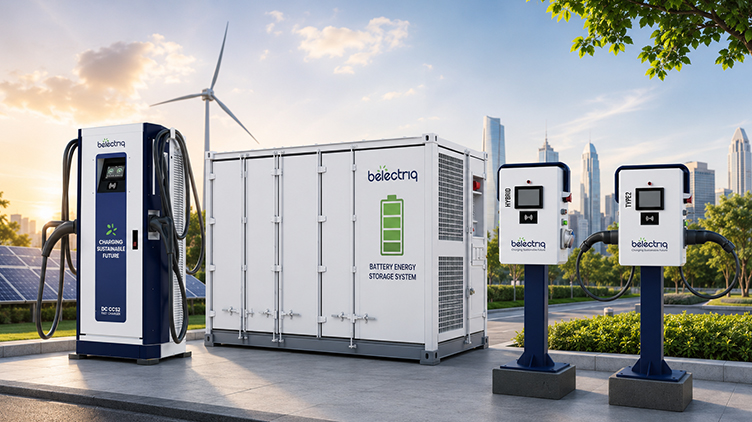
Pair with on-site solar to optimize renewable energy use
Some companies are even pooling their BESS installations into virtual power plants, opening up whole new avenues of earnings potential from their charging infrastructure.
It’s not just a battery. It’s a tool for financial leverage layered with a utility service.
Q7: What about reliability? Does BESS increase or decrease the reliability of charging?
More reliable. Much more so.
The BESS will continue to supply power during grid fluctuations or outages. The charger will keep on charging even if the grid wobbles. This is good for businesses, which will see increased uptime and happy customers. It’s good for drivers, too, who will know that the charger is there for them when they need it.
It’s a big deal in a world where charging reliability is still a real concern.
Q8: What’s the catch? There’s always a catch.
Good question. There are a few things to consider:
Space – BESS units take up physical space, although they’re getting smaller
Battery degradation – Like EV batteries, they’ll gradually lose capacity over time
Initial investment – You still need to shell out for the BESS
Expertise – You need people who know charging and energy storage
But it’s a rapidly developing technology, and the business case just keeps getting better every year.
Q9: What’s next for BESS and ultra-fast charging?
Three trends to watch:
Even faster charging – 500kW, 600kW, and beyond. BESS will enable these speeds without grid collapse.
Second-life batteries – Using retired EV batteries for BESS, lowering costs and improving sustainability.
AI-powered optimization – Software that predicts charging demand and optimizes energy storage and release automatically.
Q10: The bottom line—should I care about BESS?
If you’re installing, operating, or investing in EV charging infrastructure: yes, absolutely.
BESS isn’t a nice-to-have anymore. For ultra-fast charging, it’s becoming the enabler. It solves the grid problem, improves economics, and delivers the experience drivers actually want: fast, reliable, hassle-free charging.
The future of EV charging isn’t just bigger cables. It’s smarter energy management. And BESS is at the heart of it.

Leave a Reply